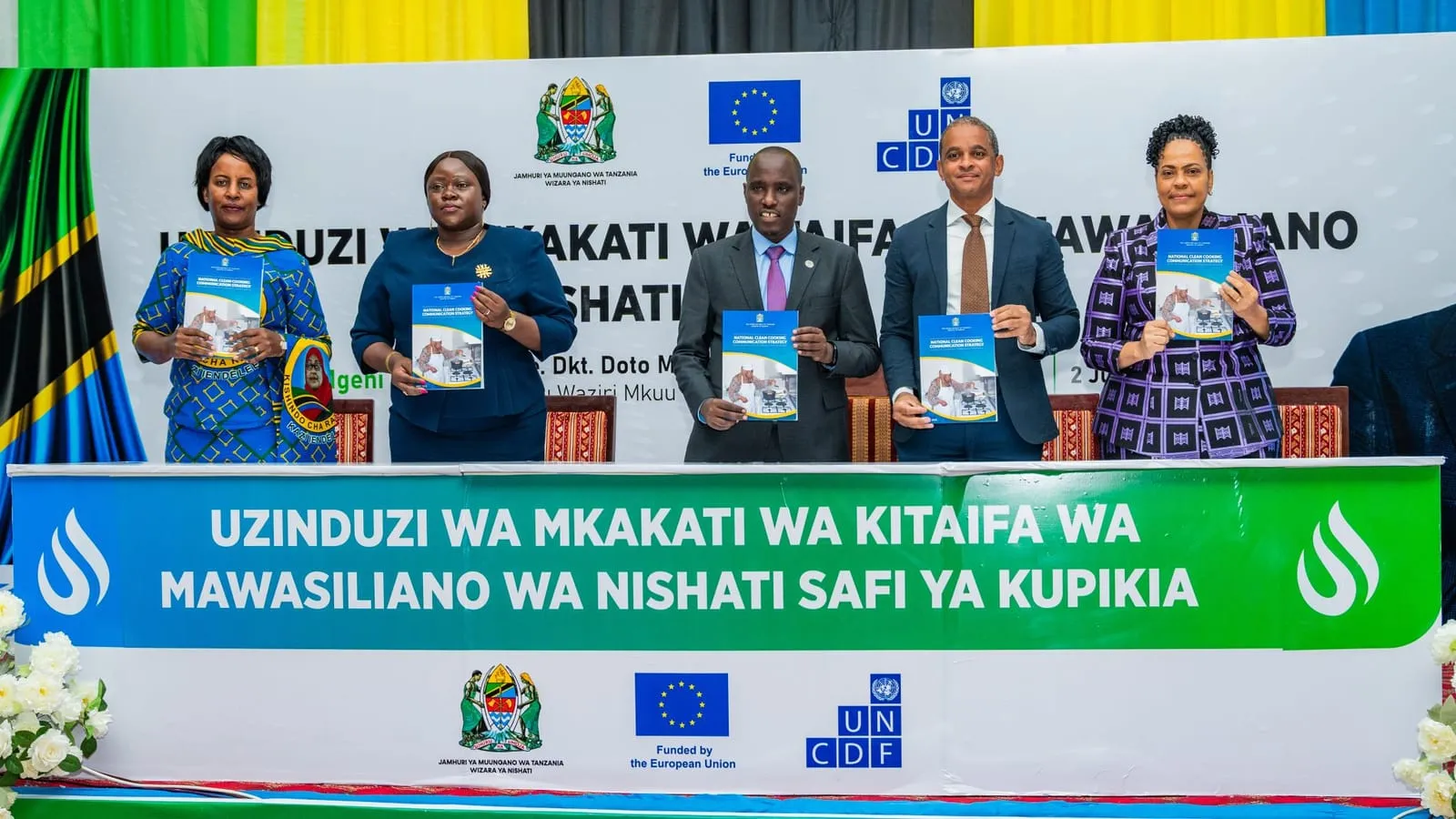
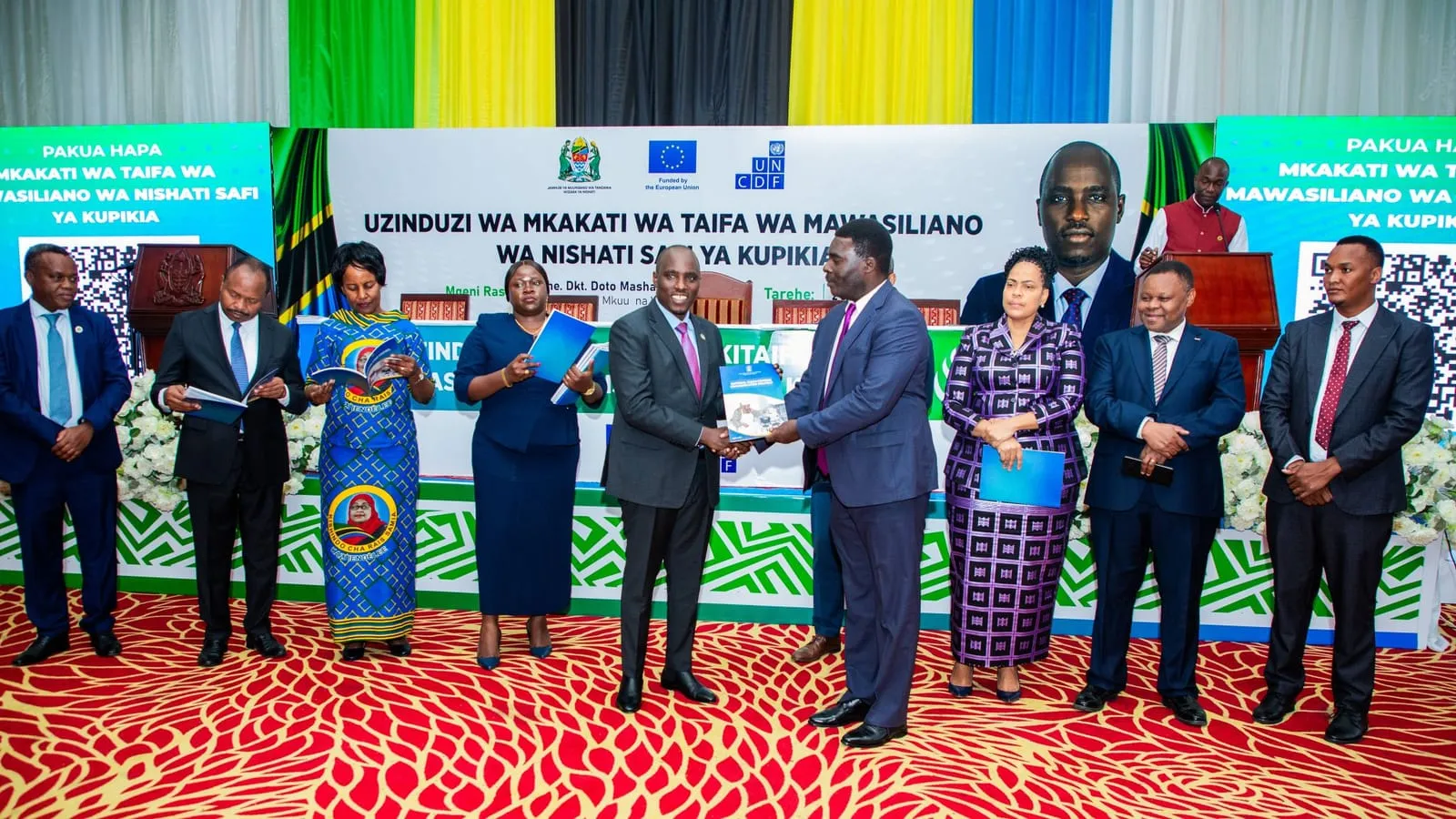
Native Media served as media coordinator around the launch of Tanzania’s National Clean Cooking Communication Strategy and Awareness Plan, helping connect institutional stakeholders with the media ecosystem needed to translate a complex national agenda into a clear, credible and public-facing communications moment.
Context and framing
From multi-stakeholder complexity to one coherent public narrative.
The strategic value of media coordination was to ensure that different institutional voices could coexist within one national communications moment without fragmenting the central clean cooking story.
The ask
Support the media coordination surrounding the launch of Tanzania’s National Clean Cooking Communication Strategy and Awareness Plan, creating a credible bridge between the Ministry of Energy, UNCDF, development partners, campaign stakeholders and the media organisations responsible for taking the national clean cooking agenda into the public domain.
Strategic objective
Position the launch as the beginning of a broader national communications cycle, not simply a one-day event, by building media understanding, strengthening stakeholder alignment and creating the conditions for the clean cooking strategy to be communicated with authority, clarity and public relevance.
Local intelligence
The communications challenge was not lack of messages; it was the complexity of the stakeholder environment. Government institutions needed to communicate national ownership and policy direction. Development partners required appropriate visibility and alignment with programme objectives. Technical and private-sector actors needed space for substance. Media needed clear access to authoritative voices and a story that could be understood by wider audiences.
Our approach
Native Media approached the assignment as a stakeholder-and-media orchestration challenge. The goal was to create an environment in which journalists could access credible voices, institutional messages remained aligned, and the public-facing narrative stayed understandable across the launch cycle.
Media intelligence and authority
Engaging the media ecosystem as a strategic stakeholder capable of building awareness, credibility and sustained public conversation around clean cooking.
Stakeholder–message alignment
Helping government and development-partner voices operate within one coherent narrative while preserving institutional roles and appropriate visibility.
Media access and spokesperson linkage
Creating structured opportunities for journalists to engage authoritative speakers, ask questions and move coverage beyond ceremony towards explanation.
Narrative continuity
Treating pre-launch, launch-day and post-launch media engagement as one connected communications cycle rather than isolated publicity moments.
What we delivered
Media coordination
Supported the overall media-facing architecture around the launch, linking journalists, institutional stakeholders and the campaign narrative.
Stakeholder–media linkage
Helped create structured access between media and government and development-partner voices for credible explanation and interviews.
Press and media engagement
Supported a launch communications model built around pre-event press engagement, launch-day media participation and continued post-launch amplification.
Message translation
Helped frame a technically complex energy-transition agenda in language and storylines that could travel through mainstream public channels.
Launch visibility
Supported the positioning of the event as a nationally relevant policy and public-awareness moment rather than a closed institutional convening.
Narrative continuity
Reinforced the principle that the launch should open, rather than conclude, the public communications cycle around the national clean cooking strategy.
The narrative
“Nishati Safi ya Kupikia, Okoa Maisha na Mazingira”
The Kiswahili framing made the clean cooking agenda more accessible and locally resonant, connecting the strategy with everyday concerns around life, wellbeing and the environment.
The execution environment
The National Clean Cooking Communication Strategy and Awareness Plan was positioned for launch in Dodoma on 26 May 2025 as a high-level national communications moment involving government, development partners, private sector, civil society and media. The wider campaign architecture was designed around pre-launch awareness-building, launch-day media coordination and post-event amplification.
Government and policy
Ministry of Energy, relevant government ministries and regulatory stakeholders responsible for policy ownership and implementation.
Development partners
UNCDF, the European Union and other international development actors supporting climate, energy and community-development objectives.
Market and public ecosystem
Clean cooking enterprises, civil society, community organisations and national media responsible for innovation, adoption and public engagement.
Qualitative impact
No audited reach or impression figures were provided for this portfolio case. The strongest evidence of value therefore sits in the strategic role media coordination played within the campaign architecture and the communications outcomes it was designed to enable.
- Media was positioned as a strategic campaign stakeholder, not simply an audience for event publicity, because journalists were expected to build awareness, credibility and longer-term public understanding.
- The communications model aligned government, UNCDF and wider development-partner visibility around one national clean cooking narrative, reducing the risk of fragmented institutional messaging.
- Structured media access and interview opportunities created the conditions for coverage to move beyond ceremony towards explanation of the strategy, its benefits and its implementation context.
- Using Kiswahili as the principal launch language strengthened accessibility and helped anchor a technical policy agenda in a message designed for national understanding.
- The pre-, during- and post-launch approach treated visibility as a narrative cycle, creating a stronger platform for continued public communication beyond the launch day.
The source material for this case study is a launch communications response and brief rather than a post-event media monitoring report. It supports the campaign objectives, stakeholder architecture, key message and media methodology, but does not independently verify every proposed outlet or post-launch activation. This case therefore presents strategic and qualitative impact only.
What the case demonstrates
- Complex donor and government environments require disciplined narrative coordination as much as media access.
- Media credibility is strongest when journalists can engage authoritative institutional voices directly rather than rely only on event messaging.
- High-level launches are most valuable when they are designed as the opening of a longer communications cycle.
- Local-language framing can make technical development agendas more inclusive, relatable and easier for media to carry into public conversation.
Why Native Media
Native Media brought value where high-stakes development communication becomes difficult: at the intersection of policy, donor visibility, media authority and public meaning. Our role was not simply to invite press. It was to help coordinate the relationship between message, messenger, media and moment so that multiple institutional stakeholders could communicate through one coherent national narrative.
Capabilities demonstrated
Government and policy communications
Supporting the translation of a national policy agenda into credible media-facing communication.
Multi-donor stakeholder coordination
Operating across government, multilateral and development-partner communications requirements without fragmenting the core narrative.
Media relations and authority
Using media understanding and relationships to create credible access, explanation and public visibility.
High-level launch communications
Treating major launches as strategic narrative moments rather than stand-alone publicity events.
Stakeholder–media linkage
Connecting journalists with authoritative institutional voices and creating conditions for substantive engagement.
Narrative architecture
Aligning message, messenger, channel, timing and institutional visibility around one public-facing story.
Strategic learning
In multi-stakeholder development campaigns, the communications challenge is not simply getting everyone seen. It is ensuring that every voice strengthens, rather than fragments, the central public narrative.
Evidence source
Launch of National Clean Cooking Strategy Awareness Campaign communications response and brief (2025). The source documents the National Clean Cooking Communication Strategy and Awareness Plan context, campaign objectives, stakeholder groups, Kiswahili key message, three-phase launch approach and proposed media engagement methodology.