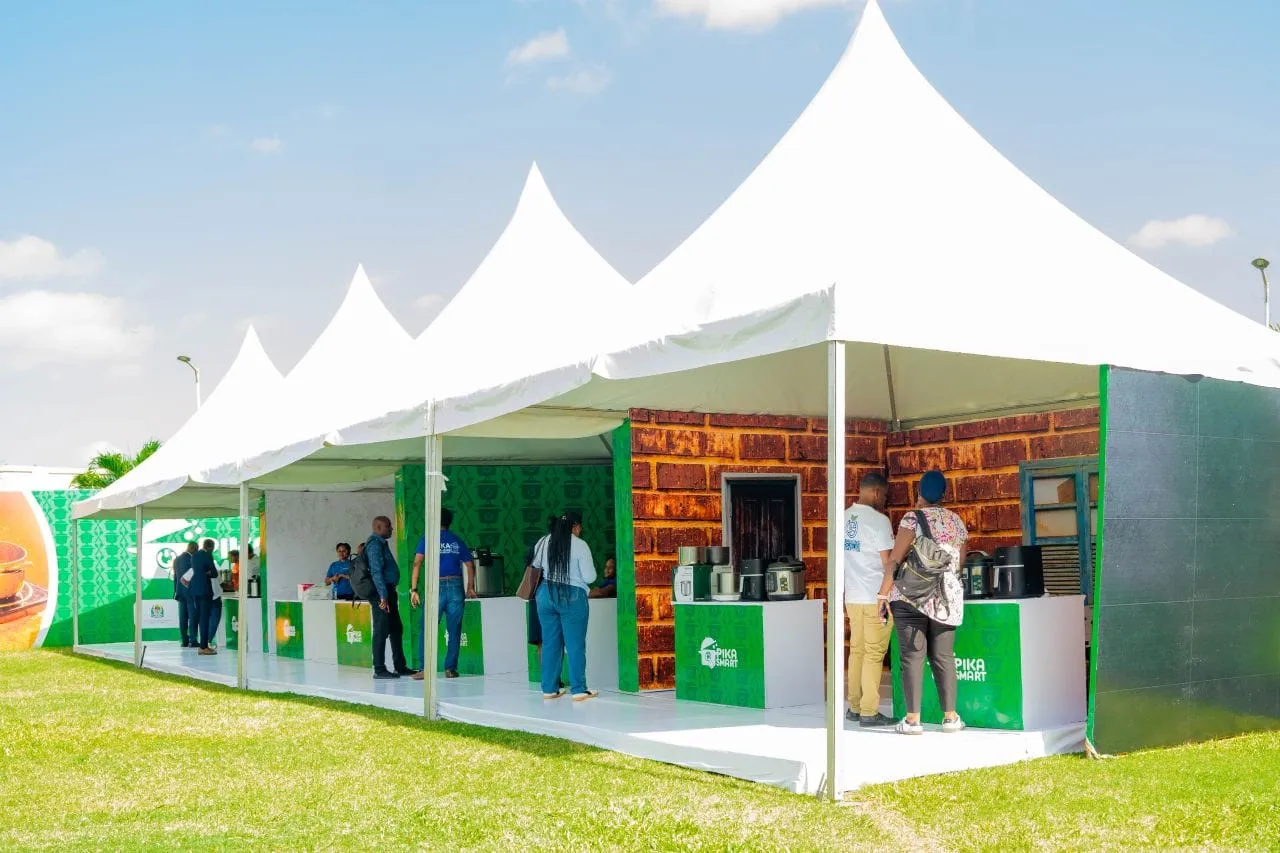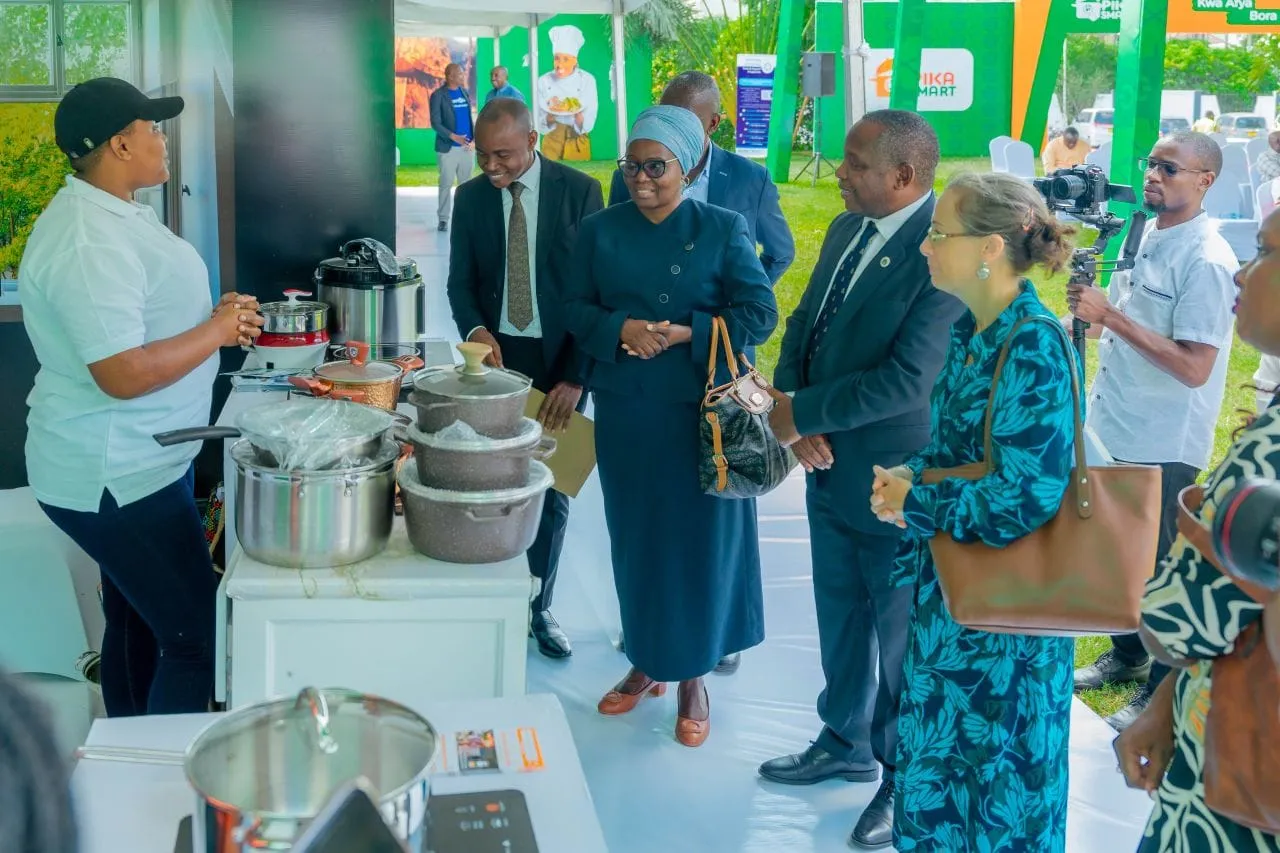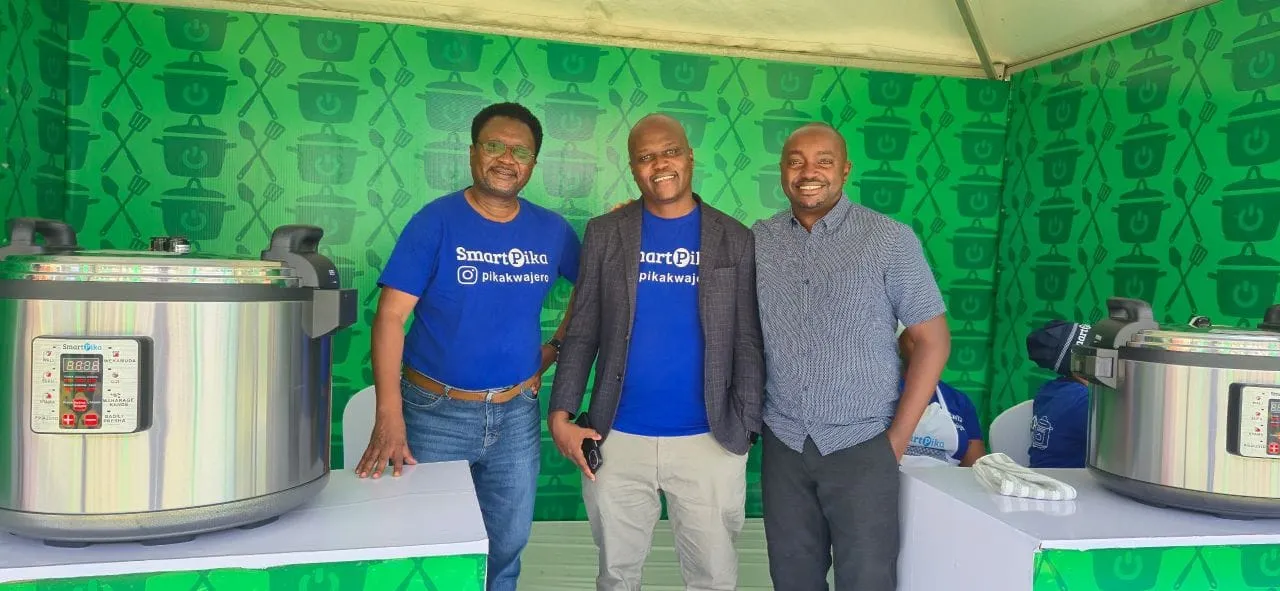
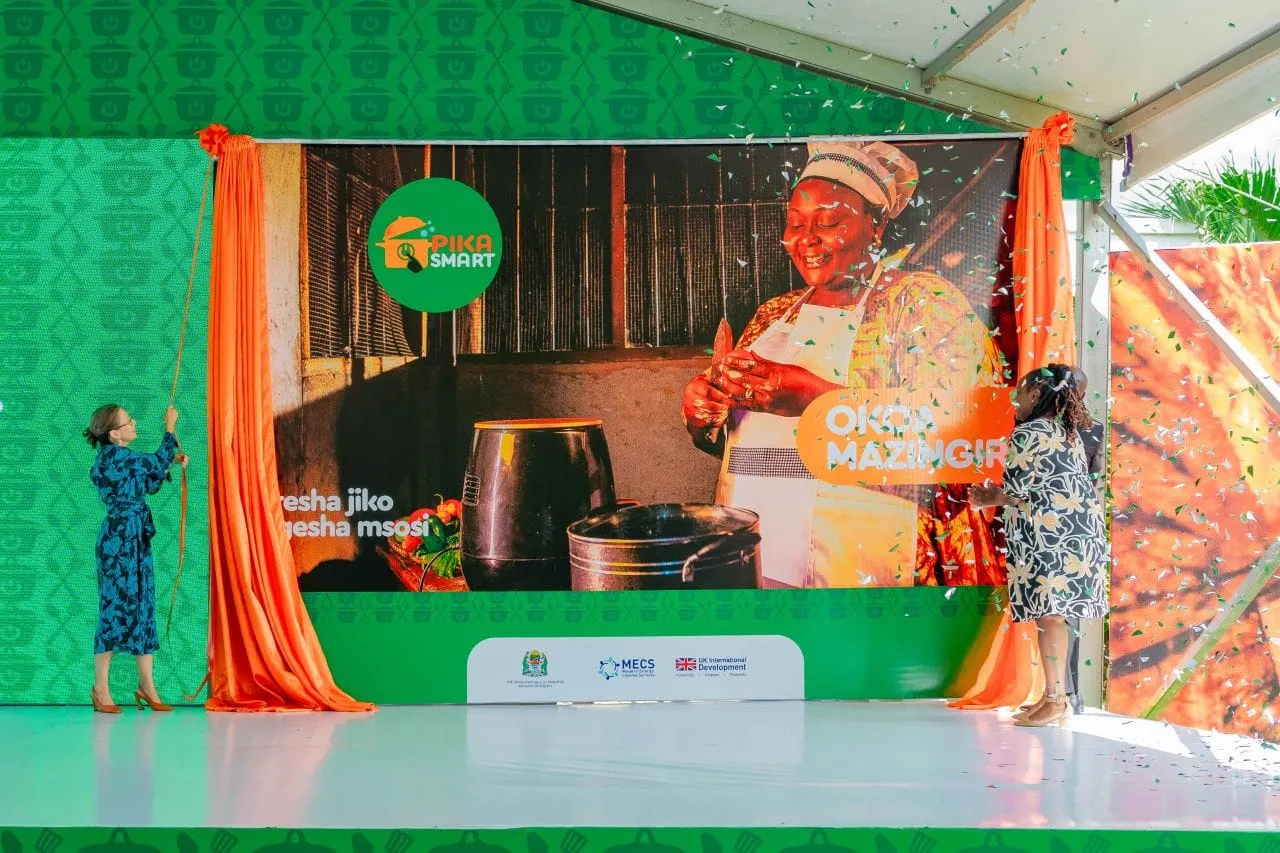
Native Media coordinated national and regional media engagement around Tanzania’s e-cooking agenda, connecting institutional voices with credible media, localising the story across regions, and using coverage to surface public concerns that could strengthen future campaign narratives.
Context and framing
From media amplification to listening infrastructure.
The strongest communications opportunity was not only to increase visibility, but to use media engagement to understand how audiences were receiving the transition, and feed those insights back into future messaging.
The ask
Support the launch and post-launch visibility of Tanzania’s e-cooking agenda by coordinating media engagement, connecting journalists with the institutions and experts driving the transition, and sustaining the conversation beyond the initial national communications moment.
Strategic objective
Build authority and public understanding around e-cooking as a practical part of Tanzania’s clean-energy transition, while ensuring the media narrative could connect national policy ambition with the everyday realities influencing household and small-business adoption.
Local intelligence
The regional campaign reinforced a critical communications insight: awareness alone does not determine technology adoption. Audiences evaluate e-cooking through practical realities such as affordability, appliance suitability, the cost of traditional fuels, health concerns and the availability of locally relevant information. The media report documented recurring public concerns from communities and food vendors, including requests for larger e-stoves for Mama Ntilie businesses, high upfront costs, the need for stronger localised sensitisation, rising charcoal prices and recognition of the health risks associated with charcoal and firewood.
Our approach
Native Media coordinated a national-to-regional media ecosystem designed to make the e-cooking narrative more accessible, locally relevant and useful to the institutions leading the campaign. The approach focused on four connected functions.
Media intelligence and localisation
Selecting national and regional outlets with the credibility, audience relevance and format needed to carry the story beyond a single launch moment.
Stakeholder–media linkage
Creating structured access between journalists and the institutions, experts and campaign representatives responsible for explaining e-cooking.
Narrative translation
Moving the conversation from technical energy language towards relatable stories about cost, health, livelihoods, convenience and adoption.
Coverage as intelligence
Using interviews, documentaries and testimonials to surface public perceptions and build a feedback loop for future communication.
What we delivered
Media relations
Coordinated journalist engagement, interviews and media access across national and regional outlets.
Regional media engagement
Extended the campaign through Arusha, Mwanza and Dodoma, using locally relevant broadcast and digital ecosystems.
Long-form broadcast
Supported radio interviews and documentary formats that created space for explanation, questions and deeper public engagement.
Digital and print amplification
Expanded the story through digital publishers, blogs, social platforms and print media.
Testimonial storytelling
Used community-facing testimonial content to capture lived experiences, barriers and expectations around clean cooking.
Post-launch narrative feedback
Converted media and community response into communications intelligence that could inform future campaign messaging.
The narrative
E-cooking is not simply a technology story. It is a practical transition shaped by household economics, public health, business realities and the everyday choices of Tanzanian consumers.
Execution
The post-launch media programme moved across three regional communications environments, Arusha, Mwanza and Dodoma, and combined radio, television, documentary, print, digital and testimonial formats. This allowed the campaign to balance national authority with regional relevance and community voice.
Arusha
Regional radio, digital publishers and documentary formats. Documented examples include Sunrise FM documentary, Arusha One news and interview, IPP Media, Habari Leo and digital outlets.
Mwanza
Local digital and broadcast engagement combined with testimonial storytelling. Documented examples include RFA news, Jembe FM and Sauti FM interviews, Uhuru Newspaper and community-facing testimonial videos.
Dodoma
Policy-centre media engagement across radio, television and documentary formats. Documented examples include TBC FM documentary, AFM interviews, TBC TV, Dodoma TV and Radio documentary and DW Focus international coverage.
Qualitative evidence
The campaign report shows that the media programme did more than place e-cooking in public channels. It also surfaced concrete perceptions about what would influence adoption and where communications needed to work harder.
- Food vendors called for larger e-stoves that better fit commercial cooking needs.
- High costs were repeatedly identified as a barrier to accessing clean cooking solutions.
- Communities valued e-cooking outreach but asked for stronger, more localised sensitisation.
- Rising charcoal prices were creating economic pressure for some Mama Ntilie businesses, making alternative cooking solutions increasingly relevant.
- Audiences showed awareness of the health risks associated with charcoal and firewood.
What the evidence shows
- Regional media helped translate a national energy-transition agenda into locally meaningful conversations.
- Radio interviews and documentaries created room for explanation and audience engagement beyond short news mentions.
- Local blogs, vlogs and digital publishers provided tailored storytelling within regional information ecosystems.
- Testimonials turned campaign communication into a source of public insight, revealing adoption barriers that visibility metrics alone would not capture.
- Documented DW Focus coverage added an international dimension to the campaign’s media environment.
Strategic impact
Native Media helped move the e-cooking story from institutional communication into a more distributed public conversation. By combining national and regional media relationships with long-form formats and community voices, the campaign created opportunities for the transition to be explained not only as an energy policy issue, but as a question of affordability, health, livelihoods and everyday practicality.
Just as importantly, the communications process generated local intelligence. Public feedback captured through interviews, documentaries and testimonials highlighted where campaign narratives could become more relevant, particularly around cost, appliance design and localised education.
No audited impression or reach figures were provided for this case study. Impact is therefore presented qualitatively, based on the documented media activity, channel mix and public sentiments recorded in the campaign media report. The evidence supports conclusions about media breadth, narrative depth and audience feedback, but not quantified changes in awareness or behaviour.
Why Native Media
Native Media brought together media authority, regional market understanding and the ability to translate a technical development agenda into stories that could travel across different public channels. Our contribution went beyond media booking: we connected stakeholders with journalists, adapted the narrative to local contexts and used audience response to make the communications system more intelligent over time.
Capabilities demonstrated
Energy and development communications
Translating a technical clean-energy agenda into clearer public-facing narratives.
Media relations and authority
Mobilising credible national and regional media across broadcast, digital and print formats.
Regional media intelligence
Understanding how the story needs to travel differently across local information ecosystems.
Stakeholder–media coordination
Connecting institutional voices with journalists for credible interviews, explanation and access.
Narrative and sentiment intelligence
Using public feedback and testimonial content to refine future communications.
Strategic learning
Strong public-interest campaigns should not treat media only as a distribution channel. The most valuable system connects campaign message, media, community response, strategic insight and a stronger narrative.
Evidence source
Smart Pika: Media Coverage Report (August 2025), Native Media. The report documents media activity across Arusha, Mwanza and Dodoma, including digital, radio, print, television and documentary formats, testimonial videos and common public sentiments.