Business & EconomicsReporting
IMF Lifts Sub-Saharan Africa's 2026 Growth Forecast to 4.5% but Warns Aid Will Fall Another 12%
The Fund's October update raises the regional outlook by 0.2 points, but shrinking aid and rising debt costs leave less room to absorb another shock.
The International Monetary Fund now expects Sub-Saharan Africa to grow 4.5% in 2026, an upward revision of 0.2 percentage points, but it warns that a further 12% fall in aid this year leaves little buffer against new shocks. Zeine Zeidane, director of the IMF's African Department, presented the outlook at a news briefing on 15 October at the IMF and World Bank annual meetings in Bangkok, as reported by Nigeria's NAN news agency.
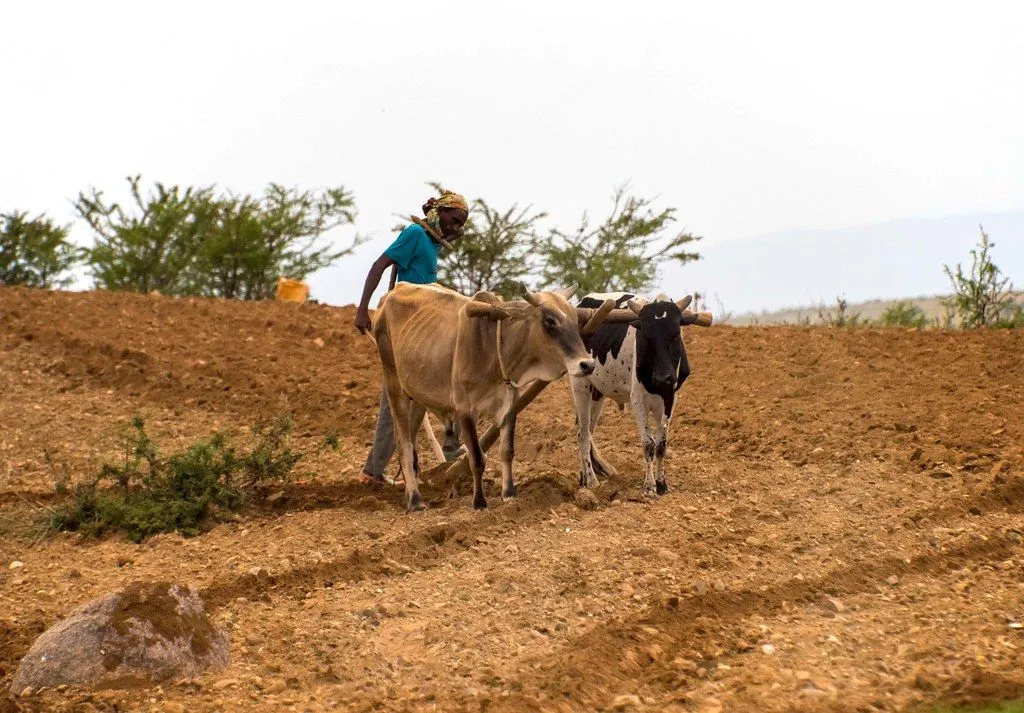
Zeidane said development assistance to Africa fell sharply in 2025 and is forecast to drop a further 12% in 2026, according to Africanews and NAN. He described risks as "firmly tilted to the downside", naming renewed energy supply disruption, a sharp rise in global risk aversion, a strong El Niño and persistent conflict and insecurity, which threatens food security in some regions (Africanews).
The outlook is uneven. Semafor reported that the IMF said the regional average "masks substantial divergence", with oil importers most exposed to higher energy and food prices linked to the Iran war, and rising public debt a growing threat given high borrowing costs. Nigeria's 2026 forecast was raised to 4.2% on a favourable terms-of-trade effect, while South Africa is expected to grow far more slowly than the regional average. NAN reported median inflation rising from 3.4% in 2025 to 4.3% in 2026 and 5% in 2027.
Zeidane also pointed to artificial intelligence. The IMF estimates that adopting, adapting and scaling AI could raise African growth by more than 4% over ten years, with agriculture, education, health and government services among the sectors cited (Africanews).
Minerals policy featured in the discussions. Africanews reported that some countries are benefiting from higher export prices for minerals used in advanced technology, and that the IMF urged them to use the windfalls wisely. Burkina Faso has opened its first gold refinery, Mali is building one with Russia's Yadran Group, Ivory Coast plans to open one in 2027, and Guinea and Ghana have recently restricted gold exports. Burkina Faso's finance minister, Aboubakar Nacanabo, said the first step is "to create the value chain".
Why it matters: the growth upgrade is real, but it rests on commodity prices and sits alongside falling aid and heavy debt-service costs. For institutions that plan around grant and concessional funding, the 12% aid decline is the figure to watch. This is complementary to our earlier report on the World Bank's 4.3% Africa forecast, which uses a different regional definition and baseline.
Editor's caution: sources disagree on the 2027 forecast. NAN reports 4.5% for 2027, while Africanews reports 5%, so we have left the 2027 figure out. The IMF's own Regional Economic Outlook page was not located; check it before publishing.
Sources
- IMF says African economies performing well despite shocks from US-Iran war, Africanews, (15-16 October 2026)
- IMF projects 4.5% growth for Sub-Saharan Africa in 2026, 2027, News Agency of Nigeria (NAN), (15 October 2026)
- IMF raises growth outlook for sub-Saharan Africa, Semafor, (14 October 2026)
- Regional Economic Outlook: Sub-Saharan Africa (October 2026 Update), International Monetary Fund, (October 2026)
Related
Related research, podcast episodes will be linked here. See African Intelligence and Research & Publications.